 Miami Personal Injury Attorney Blog


An insurance adjuster may be friendly, helpful, and genuinely pleasant, but that does not mean the adjuster represents your interests. The adjuster’s job is to investigate the claim, gather information, evaluate the insurance company’s exposure, and work toward resolving the claim.
That distinction matters after a Florida car accident. A comfortable conversation can lead you to volunteer details about fault, your injuries, prior medical problems, or your recovery before you fully understand their significance.
You don’t need to assume every friendly question is a trick. You should, however, understand who the adjuster represents, why information is being requested, and whether you are required to provide it before answering detailed questions or accepting a settlement.
 If you need to file a complaint about a homeowners insurance company in Florida, you can follow these steps:
 Turo and Getaround are the latest entries into the transportation landscape of South Florida. Think of it as an “Airbnb for cars”. It is also commonly referred to as the “car sharing” industry. Unlike Uber or Lyft, which are “ride-sharing”, car sharing companies such as Getaround and Turo offer to rent you someone’s car. The car owners place their vehicle for rent by the hour or by the day or week on the car sharing company app. But as with all vehicles, especially in Florida, the question ultimately becomes who will pay for injuries and damages in an accident caused by a Turo or Getaround driver and vehicle. That is where the
 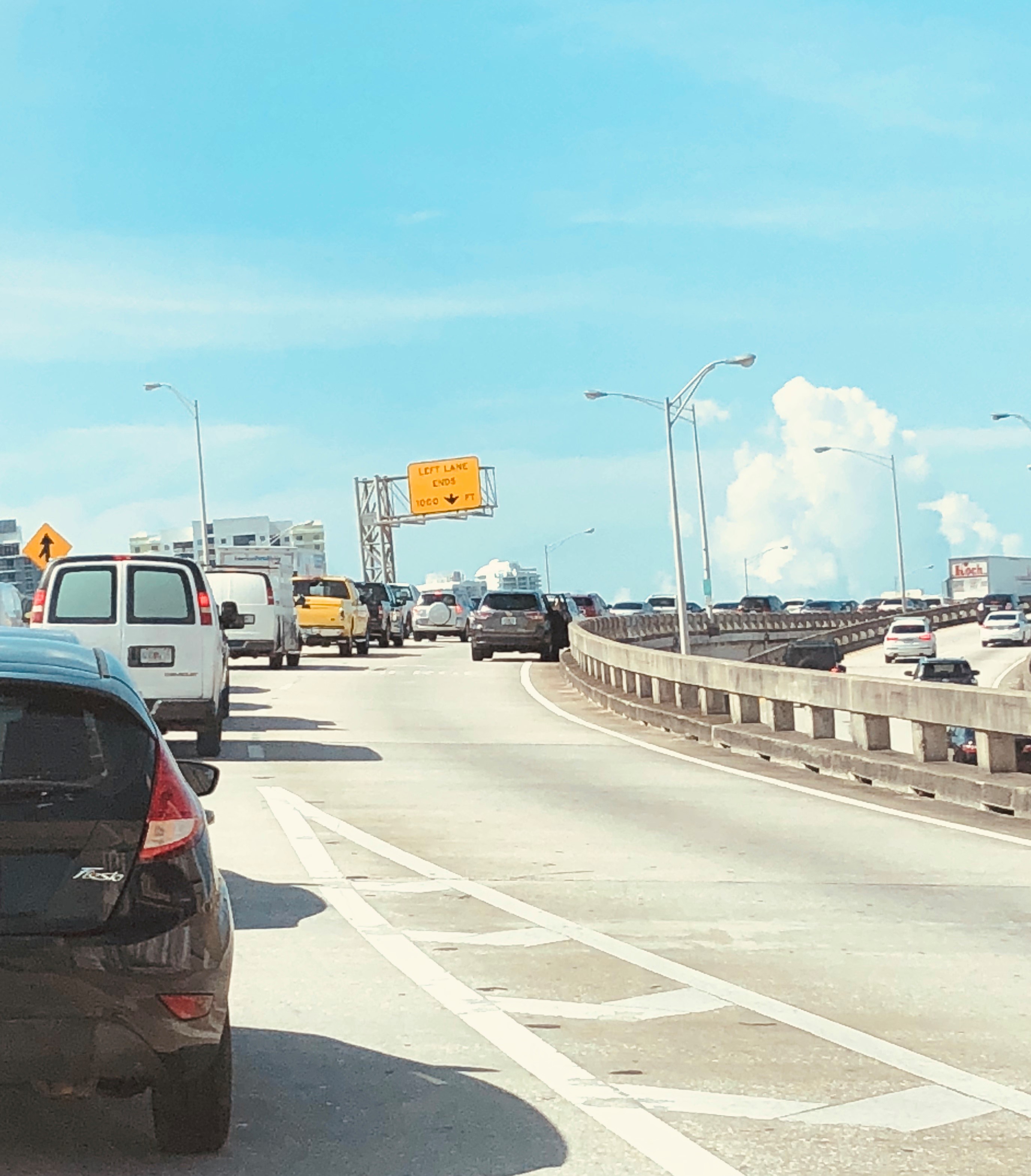 When people think of auto insurance, they probably think of the comprehensive and collision insurance. But, most do not actually full understand the terms. So, what is the difference?
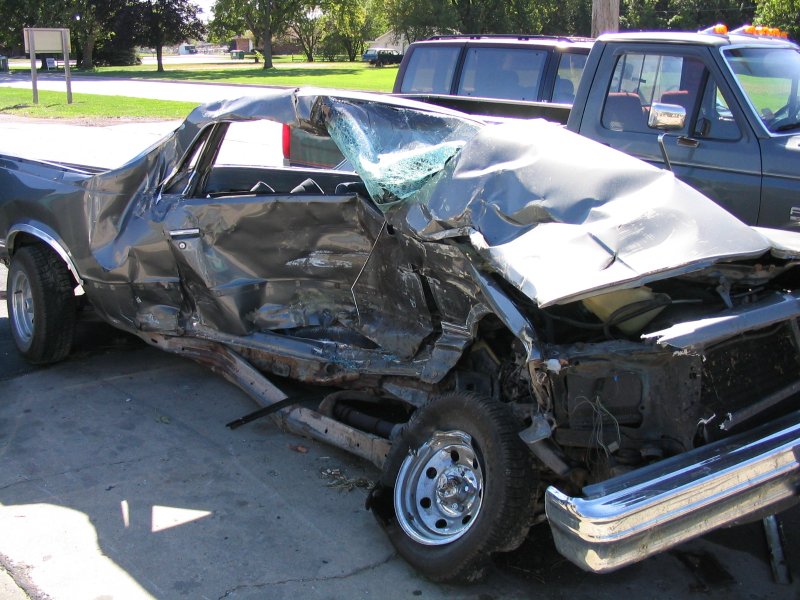 In March of 2017, a